 The Wallet Shoppe
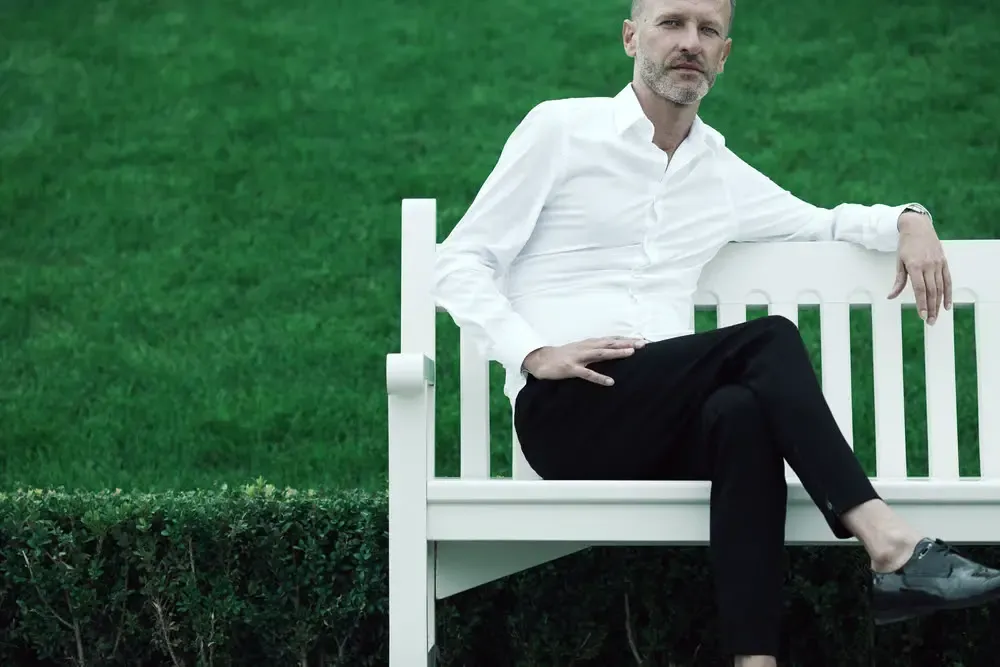
A white shirt and black trousers work because the contrast is clear and the pieces are easy to understand together. Getting dressed becomes much simpler once you can see why an outfit works, then change one part to suit your taste.
Start with the kind of clothes your day calls for, get the fit comfortable, and build the colors around one piece you want to wear.
Choose a Clothing Style for the Day
Casual clothes, smart casual separates and tailoring give you different starting points. You can move between them without buying three separate wardrobes: dark jeans, a plain knit and a simple leather bag can do quite a lot of work.
| Style | An outfit to start with | What makes it work |
|---|---|---|
| Relaxed casual | Straight-leg jeans, a plain T-shirt, an overshirt and sneakers | The layers have a similar easy fit; the overshirt adds shape without looking formal. |
| Workwear-inspired casual | Olive trousers, a cream T-shirt, a denim jacket and boots | Sturdy fabrics and muted colors suit each other. Keep the pockets useful rather than filling every one. |
| Smart casual | Gray chinos, a navy knit polo and brown loafers | A tidy trouser shape and simple shoes make the outfit feel considered without needing a tie. |
| Tailored separates | Charcoal wool trousers, a pale blue shirt and a textured navy jacket | The jacket and trousers are clearly different, so they look deliberately paired. |
| Suit and tie | A navy or charcoal suit, a light shirt and a restrained tie | The suit supplies the structure; the shirt and tie give it contrast. Follow the occasion’s dress code. |
These are outfit suggestions, not universal definitions of what an office or venue will accept. A wedding invitation or workplace dress code takes priority over a label like “smart casual.”
Our preference for an everyday wardrobe is to start with casual and smart casual clothes you can repeat comfortably. A jacket that spends its life on the back of your chair is a poor purchase, however good it looked in the fitting room.
Get Fit and Proportion Right Before Adding More
Try the outfit sitting down, walking and reaching for something. A shirt pulling across the buttons or trousers cutting into your waist will bother you long before anyone notices your color choices. A relaxed fit can look intentional; clothes that restrict you rarely feel that way.
Look at the whole outline. A roomy overshirt works well with straight trousers. A close-fitting knit can sit neatly under a jacket. You don’t need every item to be slim, and you don’t need to balance one loose item with something skin-tight.
Then load your pockets as you normally would. A thick wallet can distort the line of otherwise well-fitting trousers. If that is the problem, choosing a different wallet layout or moving some items into a bag will help more than buying tighter trousers.
How to Match Clothes
Choose one main piece, give it a neutral companion, and decide how much contrast you want. For example, start with an olive overshirt, add gray jeans and a white T-shirt, then keep the shoes simple. You have a complete outfit before considering a scarf or watch strap.
Three approaches are especially easy to repeat:
- Use light and dark neutrals together: a cream knit with charcoal trousers, or a white shirt with black jeans.
- Use several shades of one color: a pale blue shirt with navy trousers. Make the difference in shade visible.
- Add one stronger color to a quiet base: a burgundy knit with gray trousers, or a rust scarf with a navy coat.
Charles Tyrwhitt’s shirt-and-tie guide also distinguishes tonal combinations from contrasting colors. You can borrow that idea without treating a color wheel as a shopping list. A bright orange shirt and bright blue trousers may be complementary on paper and still be far louder than you wanted.
If one piece has a pattern, pick out a color from it for a plain item elsewhere. A navy-and-cream checked overshirt is easy to wear over a cream T-shirt. Adding a second unrelated pattern makes the job harder; save that experiment for an outfit you already know you like.
What Colors Go With Black Clothes?
White, cream, gray, blue, olive and burgundy all give you useful ways to wear black. White creates the sharpest contrast; cream softens it. Gray keeps the outfit restrained, while olive or burgundy adds color without making the whole outfit bright.
| Pair black with | Try this outfit | The effect |
|---|---|---|
| White | Black trousers, a white Oxford shirt and black loafers | Crisp contrast with very little fuss. |
| Cream or ecru | Black jeans, an ecru knit and dark boots | A softer version of black and white. |
| Gray | Black trousers, a gray T-shirt and a black overshirt | A quiet palette with enough difference to show the layers. |
| Blue denim | Black jeans, a white T-shirt and a blue denim jacket | Casual contrast from both color and fabric. |
| Olive | Black jeans, an olive overshirt and simple sneakers | A muted combination that suits everyday clothes. |
| Burgundy | Black trousers, a burgundy sweater and black shoes | Rich color against a dark base. |
Black also works with navy. Use a visible difference in texture or shade: a navy wool coat over a black knit and black trousers is easier to read than two nearly identical dark fabrics. Look at them together in daylight before deciding they clash.
Can You Wear Black With Brown?
Yes. Brown can add warmth to a black outfit, especially through a leather bag, boots or a belt. A dark brown bag beside a black coat is a quieter choice than a bright tan bag, which will draw more attention.
For a simple outfit, keep the visible leather accessories in a similar brown family. They don’t need to come from a matching set. If the combination feels crowded, remove an extra color before ruling out black and brown altogether.
How to Wear All Black
Give an all-black outfit some texture: washed denim, a smooth cotton T-shirt and a wool overshirt can look more interesting together than three pieces of identical flat fabric. The edges and layers still need to be visible.
Check for mismatched fading. A deliberately washed-black pair of jeans is one thing; a tired, brownish T-shirt beside fresh black trousers can look accidental. Lint and worn edges are also easier to notice against a dark outfit.
What to Wear With Black Jeans
Black jeans work with white or cream tops, gray knits, olive overshirts and blue denim jackets. For an easy casual outfit, use a white T-shirt and olive overshirt with clean sneakers. For dinner, try an ecru knit and dark boots.
The finish matters. Plain black jeans with a tidy hem are easier to dress up than heavily distressed denim. A soft, textured blazer can work over them; a shiny suit jacket often looks as though its trousers have gone missing.
What Colors Go With Gray Clothes?
White, pale blue, navy, burgundy, olive and black are dependable partners for gray. Start by checking whether your gray is light, medium or charcoal. A pale shirt gives charcoal trousers clear contrast; navy gives a light-gray outfit a darker anchor.
| Gray piece | Pair it with | Why choose it |
|---|---|---|
| Light-gray trousers | A navy polo and brown loafers | Enough contrast for a straightforward smart casual outfit. |
| Medium-gray knit | Black jeans and dark boots | Restrained colors with a clear difference between top and bottom. |
| Charcoal trousers | A pale blue shirt and black shoes | A simple option when you want a more tailored look. |
| Gray jeans | A cream T-shirt and olive overshirt | A relaxed combination that avoids dressing every piece in gray. |
| Gray coat | A burgundy scarf over a navy knit | A small area of stronger color close to the face. |
Gray can lean blue, brown or green, even when the label simply says “gray.” Try the actual garments together. A warm, brownish gray often looks comfortable beside cream and brown; a cooler gray is easy to pair with blue and navy. Those are starting suggestions, not restrictions.
Can You Wear Different Shades of Gray Together?
Yes. A light-gray knit with charcoal trousers is a good place to begin. The contrast looks deliberate, and different textures help keep the outfit from becoming flat. A white shirt or black shoes can give the combination a clear edge.
With tailored separates, avoid near-matching gray jacket and trouser fabrics unless the difference is visibly intentional. If you want the appearance of a suit, wear the actual matching pieces.
What to Wear With Gray Jeans
Wear light-gray jeans with navy, black or an olive layer; wear charcoal jeans with white, pale blue or a cream knit for more contrast. For a weekend outfit, try gray jeans, a white T-shirt and a navy overshirt. Brown boots make it feel warmer; simple black sneakers keep the palette quieter.
Distressing and fit affect how dressy the result feels. A plain charcoal pair can sit well beneath a knit polo or casual jacket. Faded, ripped jeans belong in a more relaxed outfit even if the shirt is smart.
Match Shoes, Bags and Accessories to the Outfit
Start with shoes that suit the clothes and the day. Simple sneakers work naturally with denim and an overshirt; loafers or boots can make the same trousers feel more dressed. A narrow trouser opening and a very bulky shoe can compete for attention, so look at that join in the mirror.
For leather shoes and a belt, keeping the colors close is the easiest choice when dressing up. A bag can be a different shade. Dark brown leather works with navy and gray, while black is straightforward with charcoal and black outfits. Canvas and nylon make sense with casual clothes and can be the practical choice in poor weather.
Choose the bag around what you carry. A small messenger bag may be enough for a book and essentials; a laptop and a day’s supplies need more space. Our backpack versus messenger bag comparison helps with that decision, and the accessories guide covers watches, belts and cufflinks.
Build Three Outfits Before Buying Another Piece
Lay out one casual outfit, one smarter option and one outfit for the weather you actually expect. Include the shoes and bag. Take a photo of each if that helps you remember which combinations worked.
When a new jacket catches your eye, try it with those clothes. If it only works after you buy new trousers, new shoes and a different bag, decide whether you really want that larger purchase. Repeating an outfit you enjoy is a better use of your wardrobe than collecting pieces you never quite manage to wear together.